Sorry these are a day late, but at least they're not a dollar short. I don't have a gazillion reads like last week's haul, but there's still some pretty good stuff in here.
Why Fitspiration Is Killing Your Motivation: This one goes beyond what I've written on the subject and really breaks down the different kinds of motivation, how they work and how they don't.
Adapting to Burn Fat as Fuel: Alex Hutchinson has become one of my favorite fitness writers. He comes at the low-carb subject very objectively here. Worth a read if you're curious about the science behind it.
Nick Hardwick's Big Fat NFL Career: Nick Hardwick is a former offensive lineman who came to realize that maintaining the physique needed for that position is setting himself up for poor health and an early death. In other words, he's a Regular Guy.
Build Muscle With These Time-Tested Strategies: This is the kind of article I normally pass over, but there's some good science here. And there's a reason this stuff has been around forever -- it works. Forget all the trends and get back to basics.
How Much Weight Should You Lift: This is a really good breakdown of how different routines affect slow- and fast-twitch muscle fibers -- in plain English.
Flexible Dieting and Foods That Are Truly High in Protein: I'm a big fan of flexible dieting, or IIFYM (If It Fits Your Macros). Bret Contreras points out that chia seeds, peanut butter and a lot of other "superfoods" really aren't the way to feed your muscles.
The Truth About Extreme Planking: Regular Guy Joe Bongiovanni made this point in a Facebook thread months ago: More than two minutes is a waste. But you should aim to get there.
What Running Means to Me: Jamie King expands on some of the ideas I put forward in the This Is My Church piece.
App Creates Running Routes From Hand-Drawn Images: You sketch out a figure, and the app works out where you should run so that your fitness tracker looks like it. Cute!
Know Your Limits: Why I Dropped Out of My First Ultramarathon: The more into your fitness routine you get, the harder it is to accept that you can't get something done. Take a deep breath. Failure is good: It means that fixing your setback is under your own control.
Saturday, June 6, 2015

Tuesday, June 2, 2015
Why I Love HIIT: Part One
Looking to get more bang for your workout buck? HIIT might be for you.
What Is HIIT?
HIIT is short for High-Intensity Interval Training. In a nutshell, it's a 20- to 30-minute mix of aerobic and anaerobic training. It can be the best of both worlds: cardio and strength (or cardio and race-specific speed training).
The idea behind HIIT is pretty simple: You go all out for a set, a distance or a pre-determined time, then dial back to catch your breath -- and then ramp it back up again. You'll get your heart rate up into the anaerobic zone, which is where you burn the most calories and make the biggest gains in your cardiovascular system. But by allowing it to return into the aerobic zone -- where you're taking in as much oxygen as you're using -- you're able to go for longer than just a couple minutes. And by staying in the aerobic zone, and not resting too long, you ensure that you're still burning calories and pumping blood.
The Benefits of HIIT
One reason I'm a huge fan of HIIT is that I'm able to work on both my cardio and strength training at the same time. I've worked out a basic bodyweight routine that hits just about every major muscle group: shoulders/arms/chest, abs/obliques, upper/lower back and quads/glutes/calves. And I've found that, at least for me, there's no better way to get my core work done.
HIIT has two basic benefits:

So for example, let's say you burn 600 calories in an hour of biking, and I burn 400 in 30 minutes of HIIT. Then you burn 40 EPOC calories and I burn 80. Yes, I did it more efficiently and got more "afterburn," but you've still burned 160 more calories overall. And it's not like I could just go for another 10 or 15 minutes. If you're not exhausted after 30 minutes of HIIT, it's not "HI" enough. You're not getting your heart rate out of the aerobic zone. In other words, you're still more or less doing steady-state cardio.
So Let's Get Down to It
Next post, I'll get into the specific bodyweight exercises I do during my HIIT workout. But for now, let me leave you with an overview of what I do.
 I do all of my exercises more or less to failure -- till I literally can't do anymore until I rest. And as I've said, my rest periods are just long enough to catch my breath so I can do the next set -- ideally, 20 to 30 seconds. (This also gives me a chance to make adjustments like moving my mat around.) In an average HIIT circuit, I'm shooting for 10 to 12 sets. Sometimes I'll repeat exercises, but I have enough in my arsenal that I don't really need to do that.
I don't know if this is a problem, but I don't really have much in the way of organization or sequencing here. I warm up with jumping jacks, do another set of those somewhere midway through my workout and one at the end. I do pushups toward the beginning so that I can actually do enough to make it worthwhile, and generally I'll do the same with the standard plank. But aside from that, I do my exercises in whatever order I feel like that day.
If you're looking to get started and have an idea of what you're doing, maybe try pushups, planks, squats, lunges, crunches, leg lifts and kicks, Supermans and step-ups. The Flog Blog also has a good roundup of at-home HIIT exercises you can try.
Putting Out the Call
Do you have an HIIT routine that works for you? What kind of stuff do you do? How hard do you go, and for how long? How do you feel when you're done? How frequently do you do HIIT? What kind of benefit are you seeing? Comment below, on Twitter or on Facebook.
What Is HIIT?
HIIT is short for High-Intensity Interval Training. In a nutshell, it's a 20- to 30-minute mix of aerobic and anaerobic training. It can be the best of both worlds: cardio and strength (or cardio and race-specific speed training).
 |
| Have your cake and eat it, too! |
The idea behind HIIT is pretty simple: You go all out for a set, a distance or a pre-determined time, then dial back to catch your breath -- and then ramp it back up again. You'll get your heart rate up into the anaerobic zone, which is where you burn the most calories and make the biggest gains in your cardiovascular system. But by allowing it to return into the aerobic zone -- where you're taking in as much oxygen as you're using -- you're able to go for longer than just a couple minutes. And by staying in the aerobic zone, and not resting too long, you ensure that you're still burning calories and pumping blood.
The Benefits of HIIT
One reason I'm a huge fan of HIIT is that I'm able to work on both my cardio and strength training at the same time. I've worked out a basic bodyweight routine that hits just about every major muscle group: shoulders/arms/chest, abs/obliques, upper/lower back and quads/glutes/calves. And I've found that, at least for me, there's no better way to get my core work done.
HIIT has two basic benefits:

- It saves time, as you get a lot of work done in less than a half-hour.
- It helps you expand your VO2 max -- the maximum amount of oxygen your lungs can deliver to your muscles -- better than other forms of exercise.
So for example, let's say you burn 600 calories in an hour of biking, and I burn 400 in 30 minutes of HIIT. Then you burn 40 EPOC calories and I burn 80. Yes, I did it more efficiently and got more "afterburn," but you've still burned 160 more calories overall. And it's not like I could just go for another 10 or 15 minutes. If you're not exhausted after 30 minutes of HIIT, it's not "HI" enough. You're not getting your heart rate out of the aerobic zone. In other words, you're still more or less doing steady-state cardio.
But fitness isn't all about calories burned. You're also looking to build muscle and increase the amount of work you can do. And for a busy Regular Guy, doing that in notta lotta time is key -- especially when you can do it wherever you are, rather than having to drive to the gym.
So Let's Get Down to It
Next post, I'll get into the specific bodyweight exercises I do during my HIIT workout. But for now, let me leave you with an overview of what I do.
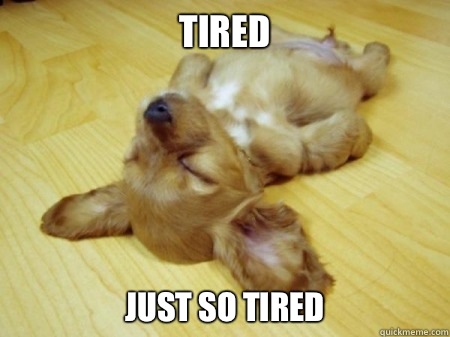
I don't know if this is a problem, but I don't really have much in the way of organization or sequencing here. I warm up with jumping jacks, do another set of those somewhere midway through my workout and one at the end. I do pushups toward the beginning so that I can actually do enough to make it worthwhile, and generally I'll do the same with the standard plank. But aside from that, I do my exercises in whatever order I feel like that day.
If you're looking to get started and have an idea of what you're doing, maybe try pushups, planks, squats, lunges, crunches, leg lifts and kicks, Supermans and step-ups. The Flog Blog also has a good roundup of at-home HIIT exercises you can try.
Putting Out the Call
Do you have an HIIT routine that works for you? What kind of stuff do you do? How hard do you go, and for how long? How do you feel when you're done? How frequently do you do HIIT? What kind of benefit are you seeing? Comment below, on Twitter or on Facebook.
Friday, May 29, 2015
Regular Guy Reads of the Week: May 29th
I mentioned this on Twitter the other day: This has been a banner week for good fitness reads. Let me know which one is your favorite!
It's Time to Finally Convince Your Clients the Scale Doesn't Matter: A lot of factors go into your weight, and you can be making good progress without actually shedding any pounds.
61 Percent of Your Calories Are From Highly Processed Food: I'm not an anti-processing zealot, but that's too much. Processed foods tend to be nutrient-poor and less satisfying -- meaning you eat more of them.
This Is How Many Calories You Actually Need: This is a pretty good calculator and explanation from Buzzfeed. Figure out your basal metabolic rate, then add in your activity level and voila!
The Worst Diet I've Ever Tried: The Tomorrow Diet: This is the dietary complement to my Inertia article. It's hard breaking out of a rut, but Erica House gives you some good ideas on how to get your diet straightened out.
Is Perfect Form Actually Important? Yes and no. You don't want to leave yourself susceptible to injury, but everyone's body is a little different, so there's no one perfect way to do any exercise.
Plank to Be a Stronger Runner: Core strength is key to any fitness regimen, and the plank is a great way to achieve it. RunBuzz gives us some variations for people who've never planked before.
Is Your VO2 Max High Enough to Prevent Heart Disease? The maximum amount of oxygen your body can process is a strong indicator of your heart health. That improves through exercise.
The Truth About Caffeine and Endurance Performance: I rarely link videos, but this is a good one. Caffeine can help you in races, but only if your body isn't acclimated to it.
Here's Why You Should Run Hard on Trails: Off-road running presents different challenges, and you'll make more gains if you attack those challenges. Alex Hutchinson gives us some specific suggestions on how to get the most out of trail running.
How Fixing Muscle Imbalances Is the Secret to Less Injuries: Part two of The Flog Blog's series -- this one focusing on the fixes, once you've diagnosed the problem. (The copyeditor in me is screaming at the usage error in the title, but the article is spot-on.)
No More Training Cults: This could apply outside the lifting community, too. Hard work and consistency will go a long way for you, regardless of your program. So don't ridicule people for doing something different.
Maintain Your Strengths While Working on Your Weaknesses: Some suggestions on how you can actually burn the candle at both ends.
The Disturbing "Pro-Ana" Boards That Pinterest Banned: You know how much I hate "fitspo." It's not just counterproductive, it's dangerous.
Strength Workouts May Yield Significant Improvement in 5K Times: We've been through this before -- you need both cardio and strength training.
10 Steps for Making Hot Weather Tolerable: Sure, you could just take your training indoors all summer. Or you could try some of these suggestions for how to get it done during the summer.
Getting Started With Strength Training: This is an absolutely fantastic breakdown of the different types of strength training and how to make it work for you. A must read for Regular Guys.
Six Exercises for a Stronger Core: Some of these I do, some look frightening.
Why Do Some Experts Recommend Alternating Between Two Pairs of Running Shoes? Studies have shown that you'll get more life out of your shoes if you give them a rest.
12 People Who Lost 50+ Pounds Share Their Best Advice: This is solid Regular Guy thinking -- stuff like: "Make healthy changes one at a time and build on each one."
Out There: Locker Room Etiquette: Basic rule of thumb: Don't be a creep. Limit your naked time, and leave other naked people alone.
Train That Brain: A big part of improving is removing the mental barriers that hold you back. Nobody's saying you're headed to the Olympics, but you are probably capable of more than you realize.
It's Time to Finally Convince Your Clients the Scale Doesn't Matter: A lot of factors go into your weight, and you can be making good progress without actually shedding any pounds.
61 Percent of Your Calories Are From Highly Processed Food: I'm not an anti-processing zealot, but that's too much. Processed foods tend to be nutrient-poor and less satisfying -- meaning you eat more of them.
This Is How Many Calories You Actually Need: This is a pretty good calculator and explanation from Buzzfeed. Figure out your basal metabolic rate, then add in your activity level and voila!
The Worst Diet I've Ever Tried: The Tomorrow Diet: This is the dietary complement to my Inertia article. It's hard breaking out of a rut, but Erica House gives you some good ideas on how to get your diet straightened out.
Is Perfect Form Actually Important? Yes and no. You don't want to leave yourself susceptible to injury, but everyone's body is a little different, so there's no one perfect way to do any exercise.
Plank to Be a Stronger Runner: Core strength is key to any fitness regimen, and the plank is a great way to achieve it. RunBuzz gives us some variations for people who've never planked before.
Is Your VO2 Max High Enough to Prevent Heart Disease? The maximum amount of oxygen your body can process is a strong indicator of your heart health. That improves through exercise.
The Truth About Caffeine and Endurance Performance: I rarely link videos, but this is a good one. Caffeine can help you in races, but only if your body isn't acclimated to it.
Here's Why You Should Run Hard on Trails: Off-road running presents different challenges, and you'll make more gains if you attack those challenges. Alex Hutchinson gives us some specific suggestions on how to get the most out of trail running.
How Fixing Muscle Imbalances Is the Secret to Less Injuries: Part two of The Flog Blog's series -- this one focusing on the fixes, once you've diagnosed the problem. (The copyeditor in me is screaming at the usage error in the title, but the article is spot-on.)
No More Training Cults: This could apply outside the lifting community, too. Hard work and consistency will go a long way for you, regardless of your program. So don't ridicule people for doing something different.
Maintain Your Strengths While Working on Your Weaknesses: Some suggestions on how you can actually burn the candle at both ends.
The Disturbing "Pro-Ana" Boards That Pinterest Banned: You know how much I hate "fitspo." It's not just counterproductive, it's dangerous.
Strength Workouts May Yield Significant Improvement in 5K Times: We've been through this before -- you need both cardio and strength training.
10 Steps for Making Hot Weather Tolerable: Sure, you could just take your training indoors all summer. Or you could try some of these suggestions for how to get it done during the summer.
Getting Started With Strength Training: This is an absolutely fantastic breakdown of the different types of strength training and how to make it work for you. A must read for Regular Guys.
Six Exercises for a Stronger Core: Some of these I do, some look frightening.
Why Do Some Experts Recommend Alternating Between Two Pairs of Running Shoes? Studies have shown that you'll get more life out of your shoes if you give them a rest.
12 People Who Lost 50+ Pounds Share Their Best Advice: This is solid Regular Guy thinking -- stuff like: "Make healthy changes one at a time and build on each one."
Out There: Locker Room Etiquette: Basic rule of thumb: Don't be a creep. Limit your naked time, and leave other naked people alone.
Train That Brain: A big part of improving is removing the mental barriers that hold you back. Nobody's saying you're headed to the Olympics, but you are probably capable of more than you realize.
Monday, May 25, 2015
This Is My Church
It's a funny thing: I didn't really plan to make a big online deal about my dad's passing last Saturday. I mentioned it in the Regular Guy Reads of the Week, to explain why Friday's haul was thin. I also mentioned it in one post each on the FftRG Facebook and Twitter feeds (and a little more on my personal FB feed). The outpouring of support I've gotten from Regular Guys and Gals has been absolutely amazing. I want to thank everyone, truly.
Dad wasn't much for a public fuss -- he didn't even like birthday parties -- and he didn't want a wake or funeral. Even if I'd had any say-so in the arrangements (I didn't), of course I would have respected his wishes. But I've always believed that the physical act of grieving -- dealing with a funeral director, choosing flowers, sitting with family, talking to people you haven't seen since the last death in the family -- is cathartic. And our family didn't have that.
So when I did post on Facebook and Twitter last week, I uploaded a photo I'd taken that morning, during my first run after a prolonged respiratory infection and then my dad's passing. And I captioned it, "This is my church."
Working out, particularly running, is probably the most spiritual part of my life. It's the time when I turn inward, when my mind is most in touch with my body. I'm focused on every breath, every step, every swing of my arms. But amazingly, it's simultaneously the time when I'm most able to work through the thoughts and issues and problems in my life. And even more amazing, it's the time when I'm most aware of my environment -- when I'm tuned into all of the man-made and natural things around me. I suppose I could say that running is my form of meditation.
So when I went for that first run last week, finally, it occurred to me: Seeing as I'm not going to have the chance to grieve my dad in a religious sanctuary, funeral home, cemetery or anywhere else, this is where I'm going to do it. It was while I was running that I really started to work on my feelings for my dad. When I was alone in my sanctuary, I could begin to process the good, the bad, the regrets, the memories, the anger, the sadness -- the whole damn thing.
My dad and I had a complicated relationship. His passing has forced me to examine that, reflect on it and try to put it into some kind of context. I don't expect to find any easy answers, and I don't anticipate that I'll really put it into the rear-view mirror for a long time. But I do know where I'll be looking for those answers.
Because this is my church.
Dad wasn't much for a public fuss -- he didn't even like birthday parties -- and he didn't want a wake or funeral. Even if I'd had any say-so in the arrangements (I didn't), of course I would have respected his wishes. But I've always believed that the physical act of grieving -- dealing with a funeral director, choosing flowers, sitting with family, talking to people you haven't seen since the last death in the family -- is cathartic. And our family didn't have that.
So when I did post on Facebook and Twitter last week, I uploaded a photo I'd taken that morning, during my first run after a prolonged respiratory infection and then my dad's passing. And I captioned it, "This is my church."
 |
| This is my church. |
So when I went for that first run last week, finally, it occurred to me: Seeing as I'm not going to have the chance to grieve my dad in a religious sanctuary, funeral home, cemetery or anywhere else, this is where I'm going to do it. It was while I was running that I really started to work on my feelings for my dad. When I was alone in my sanctuary, I could begin to process the good, the bad, the regrets, the memories, the anger, the sadness -- the whole damn thing.
My dad and I had a complicated relationship. His passing has forced me to examine that, reflect on it and try to put it into some kind of context. I don't expect to find any easy answers, and I don't anticipate that I'll really put it into the rear-view mirror for a long time. But I do know where I'll be looking for those answers.
Because this is my church.
Friday, May 22, 2015
Regular Guy Reads of the Week: May 22nd
A thin week this week -- my apologies. As some of you know, I've had some family tumult this week and haven't been doing a ton of reading. Keep strong, and as I said on Facebook earlier this week, don't smoke. Ever.
Seven Cult Workouts That Changed Fitness: There's no such program that's the end-all, be-all, but the advantage to programs is you have it laid out for you.
More Than a Third of U.S. Adults Have Metabolic Syndrome: We're talking about high blood pressure, abdominal fat, etc. -- all the things that lead to heart attack, stroke, diabetes... Scary.
Seven Tips for Running in Heat and Humidity: Perfect topic for Memorial Day weekend.
Gluten-Free Diet May Not Boost Athletic Performance: Very small study, so much more research is needed, but just another reply to the "insulin, inflammation, gluten-is-evil" crowd.
2014 Running USA Annual Marathon Report: No surprise here -- more people than ever are running marathons, and we're doing it slower than ever. My 4:16 last year was below the mean for men in my age group. I'd be interested to see data on the median, though.
A Doctor's View of Crossfit: If there's a takeaway here, it's that lower reps and better form are a recipe for success. I'm not going to comment on whether Crossfit accomplishes that, because I've never been to one.
11 of the Best Life Lessons You Can Learn While Running: Beginnings are hard, there will be ups and downs, and you'll lean more and more on data and knowledge -- just three of the 11.
Four Things Your Body Expects You to Know About Muscle Imbalances: After bad form, I think muscle imbalances are the top cause of exercise injury. Unfortunately, diagnosing them is the easy part.
Seven Cult Workouts That Changed Fitness: There's no such program that's the end-all, be-all, but the advantage to programs is you have it laid out for you.
More Than a Third of U.S. Adults Have Metabolic Syndrome: We're talking about high blood pressure, abdominal fat, etc. -- all the things that lead to heart attack, stroke, diabetes... Scary.
Seven Tips for Running in Heat and Humidity: Perfect topic for Memorial Day weekend.
Gluten-Free Diet May Not Boost Athletic Performance: Very small study, so much more research is needed, but just another reply to the "insulin, inflammation, gluten-is-evil" crowd.
2014 Running USA Annual Marathon Report: No surprise here -- more people than ever are running marathons, and we're doing it slower than ever. My 4:16 last year was below the mean for men in my age group. I'd be interested to see data on the median, though.
A Doctor's View of Crossfit: If there's a takeaway here, it's that lower reps and better form are a recipe for success. I'm not going to comment on whether Crossfit accomplishes that, because I've never been to one.
11 of the Best Life Lessons You Can Learn While Running: Beginnings are hard, there will be ups and downs, and you'll lean more and more on data and knowledge -- just three of the 11.
Four Things Your Body Expects You to Know About Muscle Imbalances: After bad form, I think muscle imbalances are the top cause of exercise injury. Unfortunately, diagnosing them is the easy part.
Wednesday, May 20, 2015
What Got Me Off the Couch: Big Man Sas's Story

You might know Jason as Big Man Sas on Twitter.
He’s married with three wonderful kids and an awesome wife, living in
Washington state. He says, “I’ve struggled with my weight for most of my adult
life and decided it was time to make a lifestyle change by running and eating
right.” Check out Jason's blog at BigManRunning.com.
It was
a beautiful summer evening in the Northwest when I realized I was really out of
shape. I mean all the signs were there, especially the reflection I saw in the
mirror, but sometimes it takes one pivotal event that makes you realize what’s
wrong.
I sat
on my porch in my favorite chair, enjoying the fading light of the sun and the
sounds of the trees blowing in the gentle wind. I have been here many nights
before and many nights since. I have always liked being outside and connecting
with nature, ever since I was a kid. I find it relaxing and peaceful, an escape
from the stress of the day.
This
night would prove not to be one of those evenings.
As I
sat, lost in a book I was reading, I felt a subtle shift in my
chair. Nothing major, just a small movement that could have been just me
adjusting my position. I checked the chair best I could, stretching as best I
could to check the legs and connections. Seeing nothing, I leapt back into my
book without a care.
That’s
when it happened. The front legs, stressed under my 316-pound body, gave way.
They folded straight out and my once comfortable seat inclined, sliding me
right out onto the porch. I sat there on my butt thinking, “I need to lose some
weight.”
Not Always a Big Man
I
wasn’t always a Big Man. In fact, growing up, I was really skinny. I played soccer
and was active all the time -- riding bikes, playing with friends, normal kid
stuff. It wasn’t till I went to college that I started to put on some weight. I
wasn’t as active as I was before, but I really didn’t notice anything wrong,
just I was getting a little gut.
No big
deal! I played soccer still, I was active in an improv group, and I could still
buy my clothes from places like the Gap. I really wasn’t concerned with it.
I
really never thought about my weight till I ran into an old high school friend.
I was working at a restaurant and he came in one day. We caught up on what we
had been doing for the last few years, just like we never missed a day.
He did
leave me with one comment that got me to thinking: “You look a lot bigger.”
That
started my dieting phase.
Yo-Yo Dieting
I knew
I needed to lose weight and I wanted to do it fast. Everywhere I looked, there
were plans promising to be the end-all of dieting, and I tried a bunch of them.
All of them have their advantages, as you can lose weight fast, but it never
lasted.
The
biggest problem I had was restricting my diet so much. I would shed weight like
it was no one’s business and I was committed. I tried Atkins, Weight Watchers, calorie
counting -- and they all worked for a time. I even entered a biggest loser
contest at my local gym and won! The issue was, after I lost the weight, I
would stop dieting.
It was
like I was rewarding myself for losing the weight by eating all the food I
wanted. I thought if I could lose all this weight, I could take a break and
just get back to it when I wanted to lose more. Basically start where I left
off.
I was
sabotaging my own plan!
This
was the cycle I was stuck in for years. Lose weight, gain it back and more, and
then lose weight again. Not a very healthy lifestyle.
Eventually,
I decided there was no point in dieting. Every time I tried, I would just fail
and gain all my weight back. So I stopped trying to lose weight for years and
just ate what I wanted and sat on the couch watching TV and playing video
games.
Big Man Lifestyle
Being a
Big Man is tough. Things aren’t really made for your size, and it can be pretty
embarrassing to try to fit into chairs and spaces that others have no issue
doing.
Movie
theaters, sports arenas and planes were not my friends. I was embarrassed to
try to squeeze into a seat next to someone and have my fat roll over the
armrest and into his or her seat. If I could take up two seats, it would make
things a little easier.
Going
to restaurants was a challenge also. I didn’t fit in booths and would always
hope for a table. The problem was that most people like booths, and whenever I
would go with a group, we would end up in one. Having my belly press up against
the table was not only extremely uncomfortable, it was extremely embarrassing.
Unless
I was alone, eating out was not fun. In fact, the drive-through became my best
friend. I could get what I want and eat in peace, with no one there to judge
me.
I ended
up limiting myself to what I wanted to do based on my size. It was frustrating.
Time for a Change
It all
came together when I slid off my porch chair that summer night. I realized I was
heading for an early grave. My wife and kids were concerned about my health. I
had no energy and no passion to do anything. I was tired all the time and
depressed.
I had
figured this was how the rest of my life was going to be and it was hard to
accept. I had to do something.
So I
decided to make a drastic change in my life. I decided to take up running!
I had
never run before (except in school when we were required to), and had it never
really interested me, but I had to do something. I looked at runners and how
they appeared, and thought that is what I want, to be skinny and healthy.
I found
a plan to get me off the couch and go from walking to running, and headed out
the door, full of hope and promise. Things were going to be different this
time.
The
biggest change I made, and the one thing that keeps me going, is
accountability. This accountability was not only to my family and friends, but
also to the world. Before, if I failed, only a few close family members would
know -- if any. That’s not so hard to get past. But having to explain myself to
a bunch of people is not worth the effort to stop losing weight.
I
started a blog and began chronicling each and every run on my journey. How I felt,
how the runs went, how far -- everything.
I
coupled that with eating less and eating right. I’ve always heard weight loss
is 80 percent diet and 20 percent exercise, so I knew I had to make a change
there (again). It is a simple calorie-tracking app I am using, going for
sustained weight loss over time.
Consistent
running and accountability have given me the motivation I need to remain on this
path. Without them, I am positive I would have repeated the diet yo-yo and been
worse off than before.
On the
day I am writing this, I have lost 47 pounds!
I don’t
plan on stopping anytime soon.
Friday, May 15, 2015
Regular Guy Reads of the Week: May 15th
Sorry I've been off the case this week. In what I can only look at as irony, almost immediately after publishing the Inertia piece, I came down with a respiratory infection that has kept me from exercising for 10 days now. This two-week compendium of links is a total hodgepodge, but there's some good stuff.
10 Exercise Cheats That Blow Your Calorie Burn: This one's from People. Make sure you're getting the most out of your workouts. Don't hang onto the handrails. Don't use momentum while lifting. Stuff like that.
The Truth Behind Five Food Myths: I expected the usual anti-carb rant here, but this is actually good info. For example, what do you really know about HFCS?
How Many Calories to Lose Weight? The Banana Effect: The author would probably resist this description, but this is a really good complement to a calories-in-calories-out/if-it-fits-your-macros approach.
The Caloric Deficit Cheat Sheet: Good ole common-sense tips on how to keep an eye on the calories-in half of the equation. You should really check this one out.
Clean Eating Vs. Healthy Eating: Shopping at Whole Foods and never touching Twinkies isn't a guarantee of anything.
How Caffeine Affects Athletic Performance: For all you Regular Guy coffee lovers out there: Your morning cuppa is good for you!
Finally, A Clear and Useful Definition of What "Good Form" Means: If you read nothing else this week, read this. It's not a bunch of rules on exactly how to position your feet, legs, arms, hands, etc. It's about understanding how to exercise safely and effectively while leaving wiggle room for the quirks of your own body.
Is There an Ideal Running Form? This is a more expert analysis of my blog post from a few weeks ago. The conclusion is fairly similar, though.
Heart of the Matter: Exercise reduces your risk of cardiovascular problems, but it doesn't make you immune.
Protein, Supplements and Building Muscles: A good overview from Hal Higdon's website. As we've discussed, your protein/carb ratio should reflect both your starting point and your goals.
Four Types of Running Workouts (And Why You Should Be Doing Them All): Nothing new here for experienced runners, but this is a good overview of a program that can help you improve.
Cyclists Are 40 Percent Less Stressed Than Other Commuters: The title pretty much says it all.
Keeping a Running Log: From Big Man Sas. Keeping some kind of diary helps you track your progress, and studies show that you'll push yourself more when it's in writing.
10 Exercise Cheats That Blow Your Calorie Burn: This one's from People. Make sure you're getting the most out of your workouts. Don't hang onto the handrails. Don't use momentum while lifting. Stuff like that.
The Truth Behind Five Food Myths: I expected the usual anti-carb rant here, but this is actually good info. For example, what do you really know about HFCS?
How Many Calories to Lose Weight? The Banana Effect: The author would probably resist this description, but this is a really good complement to a calories-in-calories-out/if-it-fits-your-macros approach.
The Caloric Deficit Cheat Sheet: Good ole common-sense tips on how to keep an eye on the calories-in half of the equation. You should really check this one out.
Clean Eating Vs. Healthy Eating: Shopping at Whole Foods and never touching Twinkies isn't a guarantee of anything.
How Caffeine Affects Athletic Performance: For all you Regular Guy coffee lovers out there: Your morning cuppa is good for you!
Finally, A Clear and Useful Definition of What "Good Form" Means: If you read nothing else this week, read this. It's not a bunch of rules on exactly how to position your feet, legs, arms, hands, etc. It's about understanding how to exercise safely and effectively while leaving wiggle room for the quirks of your own body.
Is There an Ideal Running Form? This is a more expert analysis of my blog post from a few weeks ago. The conclusion is fairly similar, though.
Heart of the Matter: Exercise reduces your risk of cardiovascular problems, but it doesn't make you immune.
Protein, Supplements and Building Muscles: A good overview from Hal Higdon's website. As we've discussed, your protein/carb ratio should reflect both your starting point and your goals.
Four Types of Running Workouts (And Why You Should Be Doing Them All): Nothing new here for experienced runners, but this is a good overview of a program that can help you improve.
Cyclists Are 40 Percent Less Stressed Than Other Commuters: The title pretty much says it all.
Keeping a Running Log: From Big Man Sas. Keeping some kind of diary helps you track your progress, and studies show that you'll push yourself more when it's in writing.
Subscribe to:
Posts (Atom)